A hard storm
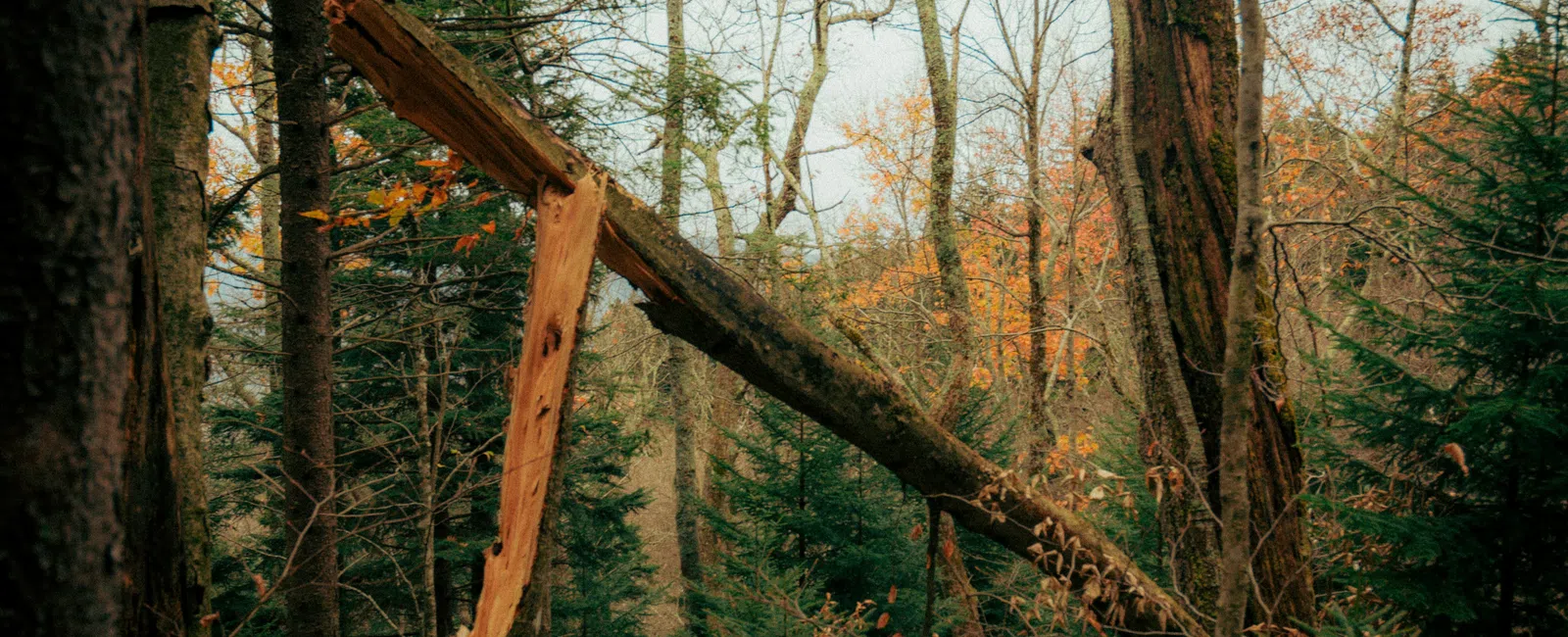
through the mountains does not leave one clean problem to solve. It leaves a
yard full of them. A tree snapped halfway up and hung in its neighbor. Limbs
down across the drive. A whole pine tipped over with its root plate in the air
and a jagged trunk still standing where the top used to be. The ground is soft,
the footing is bad, and half of what looks settled is holding tension you
cannot see.
Knowing what to
handle first, what to leave for a crew, and what to do with the wreck once it is
down is the difference between a safe cleanup and a trip to the emergency room.
Here is how to work through it.
First, sort the dangerous
from the doable
Before anyone
picks up a saw, walk the property and triage. Anything touching a power line is
off limits, full stop, and gets reported to the utility, not handled by you. A
tree resting on a house, shed, or fence is an emergency arborist's job, usually
with an insurance claim attached. So is any trunk that is bent, hung up in
another tree, or under obvious tension, because those release with force and no
warning.
What is left
after you set those aside is the doable part: limbs and brush on the ground,
and smaller trees that came down clear of structures and lines. That is where a
property owner, or a cleanup crew, can safely go to work.
The cleanup order that
actually works
Storm cleanup
goes wrong when people grab the nearest branch and start pulling. Work it in
order instead, from safety outward.
1. Clear access and anything near the house first
Open the
driveway, the walkways, and anything blocking a door before you touch the rest.
You want a clear path in and out, and nothing leaning on the structure, before
the real work starts. Dragging the first loads to one staging spot keeps the debris
clean-up organized instead of scattering piles across the yard.
2. Cut and stack the downed limbs and brush
With the paths
open, work through the limbs and brushy tops. Cut them to manageable lengths
and stack them as you go, because a sprawling pile of storm-broken wood is a
fire risk and a home for rodents and snakes within days. Keeping up with the brush
clean up as you cut keeps the site walkable and safe.
3. Deal with the small downed and leaning trees
Trees that came
down clear of anything, or small ones leaning but not under heavy tension, come
next. On flat, open ground, a homeowner with a chainsaw can take a few safely.
On a slope, or with any spring in the trunk, small
tree removal is worth handing to a crew that reads the tension
before cutting.
4. Grind out the trunk and stump the storm left
Once the wood
is hauled off, a broken trunk or an uprooted stump is almost always still
sitting there, and it is the part people forget. Left alone, it is a trip
hazard, a mower killer, and a magnet for rot and pests. The finish is to grind
the stump out and haul the grindings away so the ground is level and
usable again.
Who is responsible, and
does insurance cover it
Two questions
come up on nearly every storm call. First, responsibility: in most cases, a tree
that lands on your property is yours to deal with, even if it fell from a
neighbor's yard, unless clear negligence was involved. Second, insurance:
homeowners policies often help with removing the portion of a tree that has
struck an insured structure, but the general yard cleanup and the stump usually
fall to you. Read your policy and photograph everything before you start
clearing, because documentation matters if you do file.
What the storm left, and
who handles it
When you are
standing in the aftermath, it helps to sort the damage by who it belongs to.
Here is the honest breakdown:
|
What you are looking at |
Safe to handle yourself? |
Who it is a job for |
|
Downed limbs and brush on the ground |
Often, in small amounts |
You, or a cleanup crew once the volume adds up |
|
A small tree tipped or
snapped, clear of structures and lines |
With care and a
chainsaw |
A small tree removal
and cleanup crew |
|
A large tree on a house, shed, or fence |
No |
An emergency arborist, with your insurer looped in |
|
Any tree or limb
touching a power line |
Never |
The utility company.
Call them first |
|
The trunk or stump left in the ground |
No |
A stump grinding crew |
Frequently asked questions
Who is responsible for removing a fallen tree?
Generally, the
owner of the property the tree landed on, regardless of whose yard it grew in,
unless the tree was clearly dead or neglected beforehand. If it fell on a
shared line like a fence, responsibility is often split.
Does homeowners insurance cover storm tree removal?
Often when the
tree hits an insured structure, the policy helps remove the part on the
structure. A tree that simply falls in the yard, and the stump it leaves, is
usually the owner's responsibility. Check your specific policy.
How soon should storm-damaged trees be cleaned up?
Clear immediate
hazards and blocked access right away. The rest can wait a few days for safe
footing and dry-out, but do not let broken wood sit for weeks, since it draws
pests and becomes a fire risk.
What do I do with the stump left after a tree falls?
Grind it out. A
snapped trunk or uprooted stump will not rot away for years, and in the
meantime it is a hazard and a pest draw. Grinding levels the ground so you can
mow, plant, or build over it.
Storm came through? Let us handle the cleanup.
SWVA Stump Co. clears downed limbs, brush, small trees, and the debris a storm leaves across Southwest Virginia, Northeast Tennessee, and Western North Carolina, then grinds out the trunk and stump so the ground is level again. Tell us what came down, and we will get it cleared.